Mastering Grungy Round Strokes and Dirty Brush Stroke Aesthetics in Modern Design
In an era where digital interfaces often strive for sterile perfection, there is a growing counter-movement toward authenticity, texture, and human imperfection. This shift has brought Grungy Round Strokes and the Dirty Brush Stroke style back into the spotlight. These elements are not merely decorative; they serve as visual anchors that convey emotion, history, and tactile reality in a flat digital world. For designers, marketers, and creators, understanding how to effectively integrate these organic textures can elevate a project from generic to genuinely engaging.
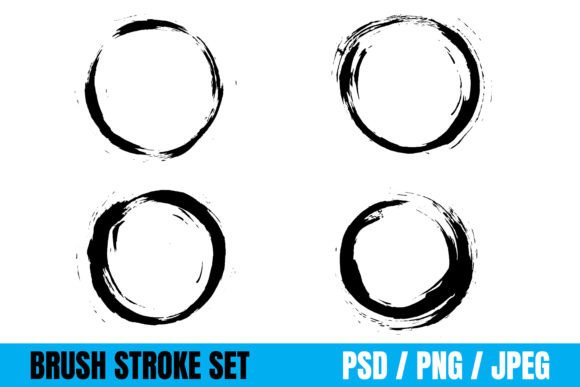
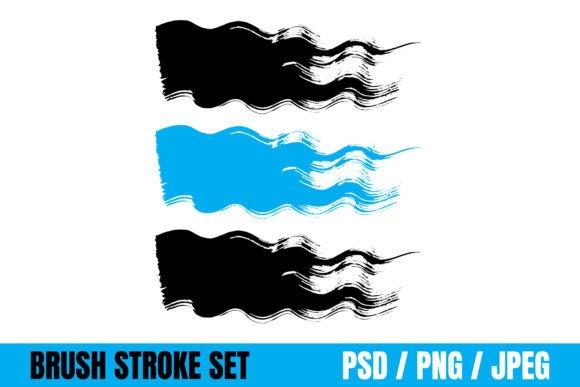
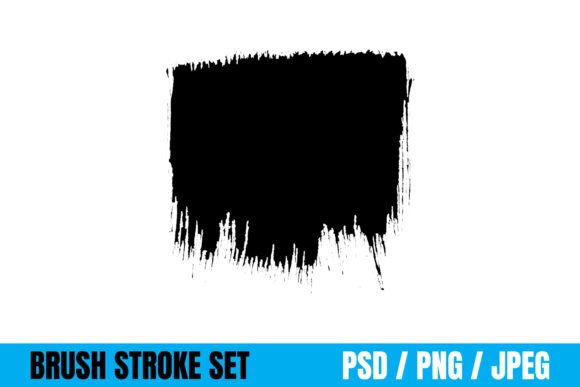
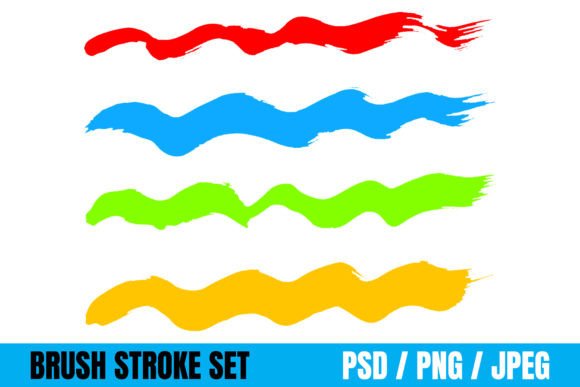
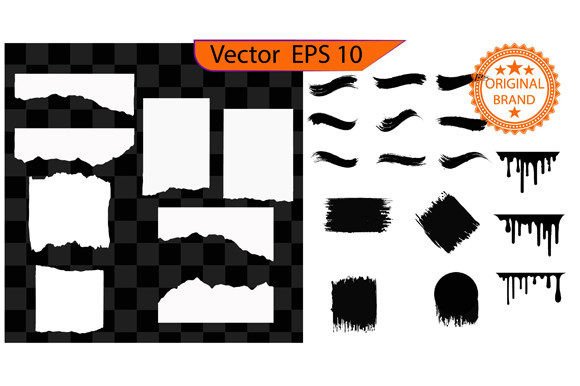
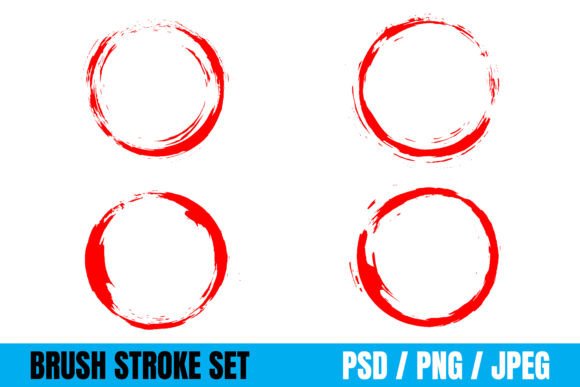
The appeal of grunge aesthetics lies in their ability to break the monotony of clean lines and solid colors. When you incorporate a dirty brush stroke, you introduce a layer of complexity that mimics the physical act of painting. This resonates with audiences who are increasingly skeptical of overly polished, corporate imagery. They crave connection, and nothing says "human-made" quite like the irregular edge of a paintbrush hitting paper. This set of paintbrush strokes is perfectly created for your creative projects, offering a bridge between traditional artistry and modern digital workflow efficiency.
The Evolution of Texture in Digital Workflows
Historically, achieving a genuine grunge look required physical materials: heavy-body acrylics, rough canvases, and actual ink stains. While this method produces unparalleled results, it is time-consuming and difficult to edit. The digitization of these textures has revolutionized how we approach design. Today, high-resolution scans and vector-based interpretations allow us to manipulate opacity, color, and scale without losing the integrity of the original stroke.
This evolution aligns with the changing habits of modern creators. Freelancers and agency teams alike operate under tight deadlines, requiring assets that are versatile and ready to deploy. The availability of files in PSD, JPEG, and PNG formats ensures that these brush strokes can be integrated into any stage of the design process. Whether you are working in Adobe Photoshop, Illustrator, or a web-based design tool, the compatibility of these assets removes technical friction, allowing you to focus on composition and message rather than file conversion.
Why Authenticity Matters in Current Market Trends
Consumer expectations have shifted dramatically over the last decade. There is a marked preference for brands that appear approachable, transparent, and grounded. This is where the Dirty Brush Stroke becomes a strategic tool. It softens the corporate edge, making logos and marketing materials feel more artisanal and less manufactured. This trend is particularly evident in industries such as craft beverages, independent publishing, sustainable fashion, and boutique hospitality.
Consider the packaging industry. A minimalist label with a single, bold grungy round stroke can communicate premium quality and handcrafted care more effectively than a complex illustration. It suggests that attention was paid to detail, yet without pretension. Similarly, in social media marketing, where users scroll through hundreds of images daily, textured graphics stand out against the sea of stock photography. They arrest the eye because they look different—they look real.
Practical Applications Across Creative Disciplines
The versatility of this set of paintbrush strokes means they are not confined to a single medium. Their utility spans across various professional and personal projects. Here is how different creators can leverage these assets:
- Branding and Logos: Use a single, impactful dirty brush stroke to underline a brand name or form the background of a logo mark. This adds energy and movement, suggesting dynamism and creativity.
- Packaging Design: Incorporate subtle grunge textures behind product information to add depth. This works exceptionally well for organic products, where the aesthetic reinforces the natural ingredients.
- Book Covers: Fiction authors, particularly in genres like thriller, horror, or historical drama, can use grungy round strokes to create mood and atmosphere. The texture can suggest decay, age, or intensity without needing explicit imagery.
- T-shirts and Apparel: The distressed look is a staple in streetwear. Applying these brush strokes to garment designs creates a vintage, worn-in feel that appeals to fashion-conscious consumers.
- Web and Social Media Banners: Break up solid color blocks on websites or Instagram headers with translucent brush strokes. This adds visual interest without cluttering the layout or distracting from the call-to-action.
You can use these brush strokes for your design, Craft Projects, Card, T-shirts, Packaging, Book Cover, Logo, Website, Social Media Banner, Banner, or anywhere you need. The key is moderation. The goal is to enhance the design, not overwhelm it. A well-placed stroke can guide the viewer’s eye, frame important text, or simply add a touch of personality to an otherwise standard layout.
Technical Considerations for High-Quality Output
To ensure your designs maintain professionalism, it is crucial to understand the technical strengths of the provided file formats. Each format serves a specific purpose in the creative workflow:
- PSD (Photoshop Document): This is the ideal format for deep customization. It allows you to adjust blending modes, opacity, and layer styles. If you need to change the color of the stroke to match a specific brand palette or composite it with other textures, PSD offers the highest level of control.
- PNG (Portable Network Graphics): Best for web use and digital layouts where transparency is required. PNGs preserve the sharp edges of the brush stroke while allowing the background to show through. This is essential for overlaying strokes on photographs or colored backgrounds without creating unsightly white boxes around the edges.
- JPEG (Joint Photographic Experts Group): Suitable for print previews or when file size is a concern, though it does not support transparency. Use JPEGs for final exports where the background is solid, or for sharing mockups with clients who do not need editable layers.
Understanding when to use each format prevents common pitfalls such as pixelation or loss of detail. For instance, using a low-resolution JPEG for a large-format banner will result in a blurry, unprofessional appearance. Always start with the highest quality source file available, typically the PSD, and export to the necessary format only at the final stage of production.
Integrating Grunge into Clean Design Systems
A common misconception is that grunge elements clash with modern, clean design principles. In reality, they complement them beautifully through contrast. This technique, often referred to as "organized chaos," involves pairing structured typography and grid-based layouts with organic, freeform brush strokes. The tension between the rigid and the random creates visual harmony.
For example, imagine a corporate annual report. The data charts and text are aligned precisely, conveying reliability and accuracy. However, section dividers or chapter headers feature bold, Grungy Round Strokes. This juxtaposition tells the reader that while the company is precise, it is also innovative and human-centric. It prevents the document from feeling cold or robotic.
Educators and content creators can also benefit from this approach. Presentation slides often suffer from "death by bullet point." Adding a subtle dirty brush stroke behind key statistics or quotes can highlight important information and keep the audience engaged. It transforms a standard slide into a visually compelling narrative element.
Future-Proofing Your Creative Assets
As technology advances, the demand for high-quality, versatile assets will only increase. With the rise of augmented reality and interactive media, textures play a crucial role in creating immersive experiences. While current applications focus on 2D design, the principles of light, shadow, and texture inherent in these brush strokes provide a foundation for more complex 3D modeling and rendering tasks.
Moreover, the timeless nature of hand-painted aesthetics ensures that these assets will not quickly become dated. Unlike trendy filters or specific font choices that may fall out of favor, the fundamental appeal of ink and paint remains constant. Investing in a comprehensive set of brush strokes is a long-term strategy for any creative professional. It provides a reliable toolkit that can adapt to shifting trends while maintaining a core identity of authenticity.
In conclusion, the integration of Dirty Brush Stroke elements and Grungy Round Strokes is more than a stylistic choice; it is a response to the human desire for connection in a digital age. By leveraging these versatile assets across various formats and platforms, creators can produce work that is not only visually striking but also emotionally resonant. Whether you are designing a logo, a t-shirt, or a social media campaign, these tools offer the flexibility and depth needed to stand out in a crowded marketplace. Embrace the imperfection, and let your designs speak with a voice that is distinctly, authentically human.