Micro-Macro Design: How Procreate Bug Stamps Transform Digital Illustration Workflows
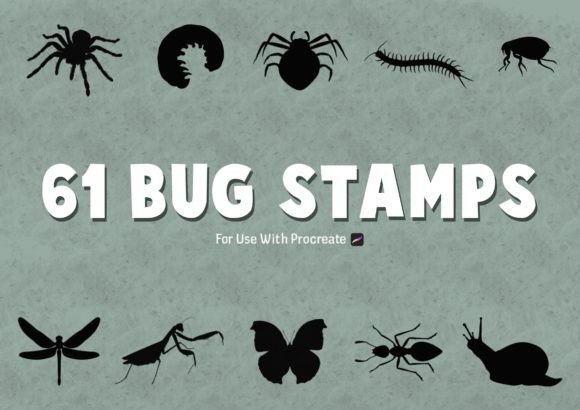
In the rapidly evolving landscape of digital art, the line between hand-crafted texture and algorithmic precision is becoming increasingly blurred. For professionals, freelancers, and creative entrepreneurs, efficiency no longer means sacrificing quality; it means finding tools that accelerate the creative process while enhancing the final aesthetic. One such tool gaining significant traction in the design community is the collection known as Procreate Bug Stamps. Specifically, the availability of a curated set of 61 bug stamps designed for small-scale application represents a shift in how artists approach texture, pattern, and environmental storytelling within the iPad ecosystem.
This article explores why these specific assets are capturing the attention of industry leaders, how they fit into broader creative trends, and the practical advantages they offer for modern digital workflows.
The Evolution of Texture in Digital Art
For years, the standard workflow for adding organic detail to digital illustrations involved hours of manual drawing or the tedious process of importing low-resolution raster images. While powerful, these methods often disrupted the flow of creativity. The emergence of specialized stamp libraries, such as Procreate Bug Stamps, addresses this friction by offering pre-rendered, high-fidelity elements that can be deployed instantly.
These stamps are not merely decorative icons; they are functional components of a larger design strategy. In an era where visual density and micro-details define premium digital content, the ability to populate a scene with realistic insects—beetles, moths, ants, and flies—without breaking the artistic rhythm is a game-changer. The specific focus on making these assets "small" aligns perfectly with the current demand for intricate background work, where macro photography aesthetics meet digital illustration.
Defining the Utility of Procreate Bug Stamps
Procreate Bug Stamps refer to a specialized brush library compatible with the Procreate app on iPadOS. Unlike traditional brushes that require stroke manipulation to create form, these stamps function as instant placement tools. When a user taps the screen, a fully rendered insect appears, complete with lighting, shadow, and textural depth. The inclusion of 61 distinct variations ensures that artists have a diverse palette to work from, preventing the repetitive look that often plagues projects relying on limited asset libraries.
The defining characteristic of this specific collection is its scale. Designed to be used small, these stamps allow creators to build complex ecosystems without overwhelming the composition. This scalability is crucial for professional illustrators who need to maintain visual hierarchy. A large, singular beetle might dominate a piece, but a cluster of 61 different small bugs creates a sense of life, movement, and natural chaos that is difficult to achieve through freehand drawing alone.
Market Trends: The Demand for Organic Authenticity
Why are professionals paying attention to Procreate Bug Stamps now? The answer lies in a broader consumer trend toward authenticity and organic realism. As digital art becomes more ubiquitous, audiences are developing a keen eye for what feels "manufactured." There is a growing preference for designs that mimic the imperfections and complexities of the natural world.
Marketing agencies and branding consultants are increasingly seeking visuals that evoke a connection to nature, sustainability, and the outdoors. Whether it is packaging design for eco-friendly products, book covers for nature-themed literature, or social media graphics for lifestyle brands, the integration of realistic insect imagery adds a layer of credibility and tactile appeal. The 61 bug stamps provide a versatile toolkit for meeting this demand quickly, allowing designers to iterate concepts rapidly during client presentations.
Shifting Workflow Expectations
The modern creative economy is defined by speed without compromise. Freelancers and entrepreneurs often juggle multiple projects simultaneously, necessitating a workflow that maximizes output time. Traditional methods of sourcing stock photography for insect details often result in mismatched lighting or resolution issues that require extensive retouching. Procreate Bug Stamps eliminate this bottleneck.
Because these assets are native to the Procreate environment, they inherit the software's robust blending modes, opacity controls, and transformation tools. Artists can resize, rotate, and color-adjust the stamps to match their specific lighting conditions instantly. This adaptability transforms the stamps from static images into dynamic design elements. The ability to manipulate 61 unique variations within a single file allows for rapid prototyping, enabling creators to test different compositions and atmospheric effects in minutes rather than hours.
Practical Applications for Professionals
The versatility of Procreate Bug Stamps extends across various disciplines, from editorial illustration to product design. Here is how different sectors are leveraging these tools:
- Editorial and Book Design: Illustrators use these small-scale stamps to add subtle life to backgrounds. A children's book about the forest, for example, gains immense depth when the margins are populated with tiny, varied insects that invite closer inspection.
- Pattern and Surface Design: Textile designers utilize the 61 variations to create seamless patterns. By arranging the small stamps in repeating sequences, they can generate complex, nature-inspired prints for fabrics, wallpapers, and packaging materials.
- Concept Art and Environment Design: Game developers and concept artists use these assets to establish scale and atmosphere. A desolate ruin or a lush jungle feels more inhabited when scattered with realistic debris and life forms, even if they are microscopic.
- Social Media Content Creation: Marketers use these stamps to create engaging, high-quality visuals that stand out in crowded feeds. The organic feel of the insects resonates well with audiences seeking authentic, non-corporate aesthetics.
The Importance of Scale and Detail
The decision to make these stamps "small" is a strategic one that reflects a deeper understanding of visual perception. In design, the smallest details often carry the most weight. When an audience zooms in on a digital image, they expect to find richness and complexity. If the background is flat or empty, the illusion of reality breaks.
By providing 61 bug stamps optimized for small application, this toolset empowers artists to fill negative space with intention. It allows for the creation of "busy" textures that do not distract from the focal point but rather support it. This technique, often referred to as "environmental storytelling," uses minute details to suggest a larger narrative. A single ant marching across a leaf tells a story of survival; a swarm of 61 different species suggests a thriving ecosystem.
Integrating Technology and Creativity
The rise of tools like Procreate Bug Stamps highlights a significant development in creative technology: the democratization of high-end asset creation. Previously, achieving this level of detail required advanced knowledge of 3D modeling or photorealistic rendering. Now, with intuitive tablet interfaces and pre-made libraries, creators can access professional-grade results with minimal technical overhead.
This shift encourages experimentation. When the barrier to entry for adding complex textures is lowered, artists are more likely to take risks and explore new styles. The integration of these stamps into existing workflows fosters a culture of iteration, where ideas can be tested and refined in real-time. This agility is essential for businesses operating in fast-paced markets, where the ability to pivot visual strategies quickly can determine success.
Future-Proofing Your Creative Toolkit
As we look toward the future of digital design, the demand for hybrid workflows—combining hand-drawn artistry with digital efficiency—will only grow. Tools that facilitate this blend, such as the Procreate Bug Stamps collection, are becoming essential assets for any serious creator. They represent a move away from rigid, template-based design toward fluid, adaptive creativity.
Furthermore, the specificity of the 61-stamp collection suggests a market that values curation over quantity. In an age of information overload, having a focused, high-quality selection of assets allows professionals to maintain a distinct visual identity. Rather than sifting through thousands of generic options, artists can rely on a trusted set of tools that consistently deliver the desired aesthetic.
Conclusion
The introduction of Procreate Bug Stamps marks a pivotal moment in the evolution of digital illustration. By offering a specialized, small-scale collection of 61 unique insect assets, these tools address the critical need for organic detail, workflow efficiency, and visual authenticity. For professionals, entrepreneurs, and enthusiasts alike, mastering the use of these stamps is not just about adding bugs to a picture; it is about elevating the entire design process.
As the industry continues to prioritize speed, quality, and engagement, the ability to seamlessly integrate micro-details into macro-compositions will remain a key differentiator. Embracing tools like Procreate Bug Stamps allows creators to stay ahead of the curve, delivering work that resonates with audiences and stands the test of time. In the end, it is the small details—the tiny beetles, the delicate wings, the intricate patterns—that often make the biggest impact.