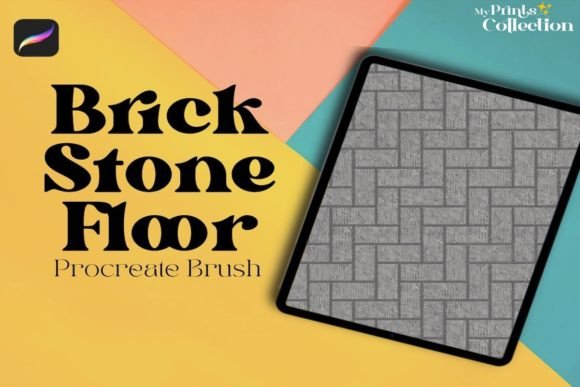
Brick Stone Floor Procreate Brush Guide
Digital illustration thrives on texture. Without it, even the most skillfully rendered characters or landscapes can feel flat, sterile, or disconnected from reality. This is where specialized tools like the Brick Stone Floor Procreate Brush become essential assets in a digital artist’s toolkit. Designed specifically for the iPad ecosystem, this single brush offers a streamlined way to introduce complex surface details into your work without the heavy lifting of manual painting or complicated layer masking.
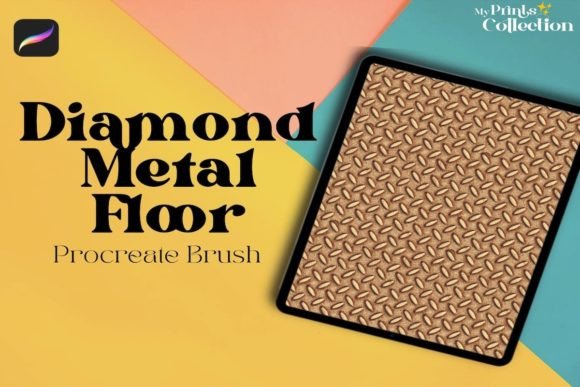
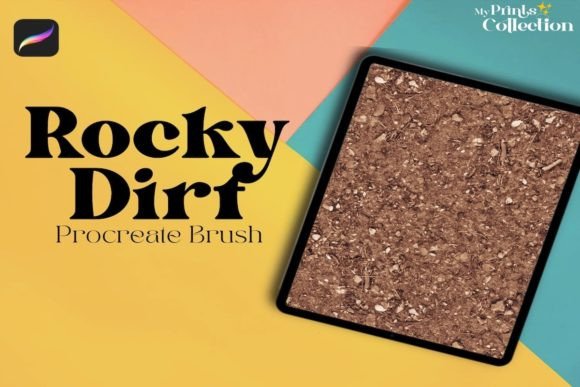
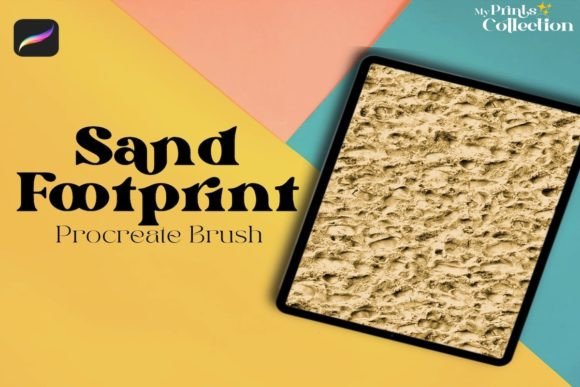
The core appeal of this tool lies in its specificity. It is not a generic texture stamp; it is engineered to replicate the gritty, organic irregularity of masonry and weathered stone. By integrating a metal or rust seamless pattern texture directly into the brush dynamics, it allows artists to paint realism with the same fluidity as they would sketch a line. However, understanding whether this specific brush aligns with your workflow requires looking beyond the marketing description and examining how it functions within different creative contexts.
Understanding the Tool’s Functionality
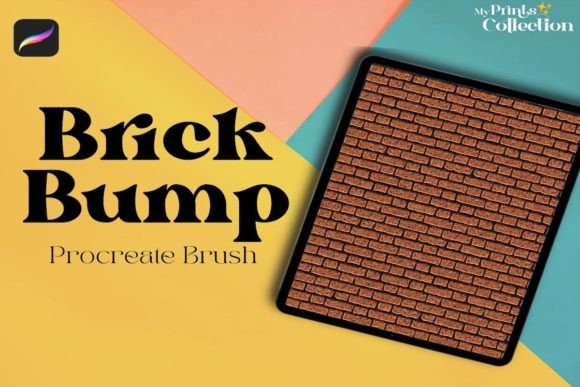
At its simplest, the Brick Stone Floor Procreate Brush is a custom brush file designed for the Procreate app. It leverages the software’s robust brush engine to apply a repeating, seamless pattern that mimics the look of aged brickwork or stone flooring. The inclusion of rust and metal textures adds a layer of industrial decay or historical weight, making it particularly useful for environments that require a sense of age and wear.
It is crucial to note the technical constraints early on. This tool requires Procreate App version 5 or higher. It is explicitly not compatible with desktop software like Adobe Photoshop or Illustrator. This limitation defines its audience: it is for mobile-first creators who value portability and touch-based interaction over desktop precision. For those entrenched in the Adobe ecosystem, this tool will be unusable, but for iPad users, it integrates seamlessly into an existing library.
Perspectives from Different Creators
The value of a niche texture brush varies significantly depending on who is holding the stylus. A one-size-fits-all approach rarely applies to digital art tools, so let us explore how different users might evaluate the Brick Stone Floor Procreate Brush.
For Beginners and Hobbyists
If you are new to digital art, achieving realistic textures can be intimidating. Painting individual bricks, adding mortar lines, and then overlaying grime or rust requires a strong understanding of light, shadow, and perspective. For beginners, this brush serves as an educational shortcut. It allows you to create professional-looking backgrounds quickly, which can boost confidence and keep motivation high. Instead of spending hours on a floor that barely registers in the final composition, you can focus on character design or storytelling. The ease of use means less frustration and more time enjoying the creative process.
For Professional Illustrators and Concept Artists
Professionals operate under tight deadlines. In concept art for games or films, speed is often as critical as quality. A professional might use the Brick Stone Floor Procreate Brush not as a final solution, but as a base layer. They can paint down the basic structure of a dungeon, alleyway, or industrial interior in seconds, then use additional brushes to break up the repetition and add unique details. For this group, the priority is reliability and flexibility. Does the tile seamlessly? Can it be scaled without losing resolution? If the answer is yes, it becomes a vital time-saver that increases hourly efficiency.
For Small Business Owners and Entrepreneurs
Creators who run small businesses, such as print-on-demand shops or digital sticker stores, often need to produce high volumes of content. A seller creating journal pages, planner stickers, or background papers for digital planners can use this brush to generate unique, cohesive themes. The "rust" and "metal" aspects allow for steampunk or industrial chic aesthetics that are popular in niche markets. Here, the commercial value is paramount. The brush helps maintain a consistent brand aesthetic while reducing the time spent on repetitive asset creation.
For Educators and Tutors
Art educators teaching digital media may find this brush useful for demonstrating layering techniques. It provides a tangible example of how texture maps work. Instructors can show students how to blend a hard-edged texture brush with soft airbrushes to create depth, teaching fundamental concepts of digital painting through a practical, engaging tool. It simplifies the technical barrier, allowing students to focus on compositional theory rather than getting bogged down in pixel-pushing.
Practical Applications and Use Cases
To truly gauge if this tool fits your needs, consider specific project types where it excels:
- Environmental Concept Art: Quickly block out urban decay, ancient ruins, or factory floors.
- Comic Book Backgrounds: Add depth to street scenes without distracting from the foreground action.
- Digital Scrapbooking: Create textured paper elements for hybrid crafting projects.
- Game Asset Design: Generate base textures for 3D modeling references or 2D game tiles.
Each of these applications relies on the brush’s ability to provide a seamless pattern. If the pattern tiles visibly, it breaks immersion. Therefore, testing the brush at various scales and angles is a recommended first step after installation.
Evaluating Quality and Compatibility
When considering any digital asset, quality assurance is key. Since the Brick Stone Floor Procreate Brush is a single file, its value is concentrated. You are not buying a massive pack of hundreds of mediocre brushes; you are investing in one highly specialized tool. This appeals to minimalists who prefer a curated library over a cluttered one.
However, remember the software requirement: Procreate version 5+. Users with older iPads that cannot update to the latest iOS or Procreate versions will face compatibility issues. Always check your device specifications before purchasing. Additionally, because it is not compatible with Photoshop or Illustrator, cross-platform workflows will require exporting flattened images or using alternative methods for desktop editing.
Making the Right Choice
Ultimately, the decision to add the Brick Stone Floor Procreate Brush to your library depends on your current gaps. Do you struggle with drawing straight, consistent architectural lines? Do you find texturing tedious? Or do you simply need a faster way to establish mood in your environmental sketches? If so, this tool addresses those pain points directly.
For those who prioritize total control and hand-painted uniqueness above all else, a standard round brush might suffice. But for anyone looking to balance artistic integrity with production efficiency, this specialized brush offers a compelling solution. It bridges the gap between technical precision and creative freedom, allowing you to focus on the story your art tells rather than the mechanics of how it is made.
By understanding your own workflow, skill level, and project goals, you can determine if this specific texture tool is the missing piece in your digital arsenal. It is not just about adding bricks; it is about adding believability, speed, and professional polish to your digital creations.