Ground Dirt Ground Procreate Brush: A Practical Evaluation for Digital Artists
In the evolving landscape of digital illustration, texture plays a pivotal role in bridging the gap between sterile screen-based art and organic, tactile realism. Among the myriad tools available to iPad artists, specialized texture brushes have gained significant traction for their ability to streamline workflow and enhance visual depth. The Ground Dirt Ground Procreate Brush is one such tool designed specifically to introduce earthy, granular elements into digital compositions. This article evaluates the utility, compatibility, and practical application of this single brush asset, helping artists determine if it aligns with their creative objectives.
Understanding the Tool’s Core Function
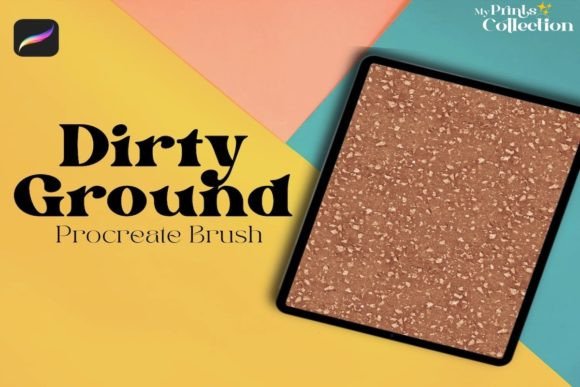
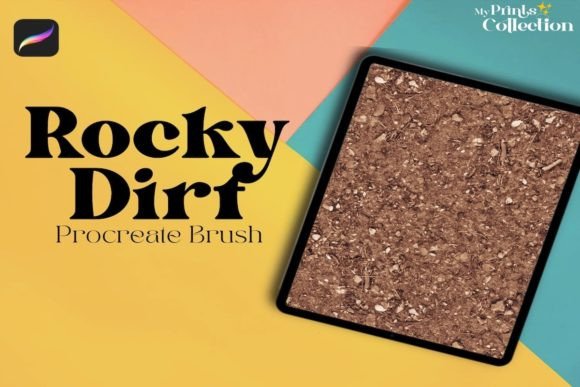
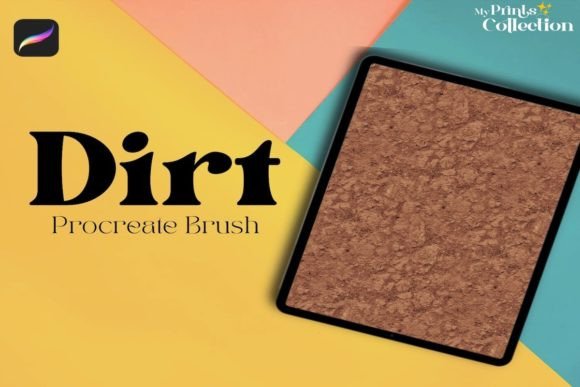
The Ground Dirt Ground Procreate Brush is not a comprehensive suite of painting tools but rather a focused, single-purpose asset. Its primary function is to generate a dirty or ground seamless pattern texture. For digital painters working in environments that require naturalistic backdrops, terrain details, or weathered surfaces, this brush offers a shortcut to achieving complex textural effects without manual layering of multiple images.
Unlike standard round or flat brushes that rely on opacity and flow for variation, this tool utilizes a custom stamp or pattern engine within Procreate. This allows users to paint continuous stretches of dirt, soil, or gritty ground textures that maintain consistency while avoiding obvious repetition. The term "seamless" is critical here; it implies that the texture can be tiled or extended across large canvases without visible breaks or jarring transitions, a common challenge when using static image overlays.
Software Compatibility and Technical Requirements
Before integrating any third-party asset into a workflow, technical compatibility is a primary consideration. The Ground Dirt Ground Procreate Brush is engineered exclusively for the Procreate ecosystem. Specifically, it requires Procreate App version 5 or higher. This requirement ensures that the brush leverages the latest rendering engines and stroke stabilization features available in recent updates.
It is crucial to note what this tool is not compatible with. It will not function in Adobe Photoshop, Illustrator, Clip Studio Paint, or other desktop-based digital art software. This limitation is inherent to the proprietary file format used by Procreate brushes. Artists who maintain a hybrid workflow—switching between iPad sketching and desktop finishing—should be aware that this asset cannot be exported or utilized outside the Procreate environment. If your pipeline relies heavily on cross-platform compatibility, this single-brush solution may present a bottleneck.
Benefits for Specific Artistic Workflows
For artists specializing in concept art, environmental design, or illustrative storytelling, the value of this brush lies in efficiency and aesthetic cohesion. Here are several scenarios where the Ground Dirt Ground Procreate Brush proves particularly effective:
- Rapid Environment Blocking: When sketching outdoor scenes, laying down a base layer of realistic ground texture can save hours of manual detailing. This brush allows for quick coverage of large areas with believable soil patterns.
- Textural Contrast: In character illustrations, adding a subtle ground texture to the background can help separate the subject from the void, providing context and grounding the figure in a physical space.
- Non-Destructive Editing: Since the brush operates within Procreate’s layer system, artists can adjust opacity, blending modes, and color balance after application. This flexibility allows for fine-tuning the intensity of the dirt effect without repainting.
The "single brush" nature of this product also simplifies library management. Rather than sifting through hundreds of unused assets, artists have a dedicated tool for a specific task, reducing cognitive load during the creative process.
Tradeoffs and Limitations
While specialized tools offer convenience, they also come with inherent tradeoffs. Understanding these limitations is essential for making an informed purchase or download decision.
First, the scope is narrow. As a single brush, it does not offer variations for mud, sand, gravel, or snow. If a project requires diverse terrain types, the artist must supplement this tool with additional assets or manual techniques. Second, reliance on pre-made textures can sometimes lead to a uniform look across different pieces if not modified significantly. Artists must actively vary scale, rotation, and color to ensure each application feels unique.
Furthermore, because it is not compatible with Photoshop or Illustrator, it cannot be used for high-resolution print preparation workflows that typically occur on desktop platforms. If the final output requires vector precision or extensive photo manipulation in Photoshop, this brush serves only as a preliminary sketching aid rather than a final production tool.
Evaluating Fit: Is This Brush Right for You?
Determining whether the Ground Dirt Ground Procreate Brush is a strong fit depends largely on your current toolkit and artistic goals. Consider the following decision-making factors:
- Do you work primarily in Procreate? If yes, and you frequently depict natural environments, this tool integrates seamlessly into your existing workflow. If you use multiple apps, its utility is limited to the iPad stage of your process.
- Do you struggle with creating realistic ground textures manually? Many artists find painting consistent dirt or soil tedious. If this is a pain point, this brush offers a direct solution. If you enjoy hand-painting every detail, you may find pre-made textures restrictive.
- Is your style realistic or semi-realistic? This brush excels in styles that benefit from organic imperfection. For highly stylized, flat, or vector-like art, the granular noise of a dirt texture may clash with the intended aesthetic.
Alternatives and Complementary Approaches
If the Ground Dirt Ground Procreate Brush does not fully meet your needs, several alternatives exist. For those requiring broader terrain variety, comprehensive brush packs that include sand, rock, and grass variants may offer better long-term value. Alternatively, artists can create custom textures by importing high-resolution photos of dirt into Procreate and converting them into source brushes. This method offers total control over the texture’s appearance but requires more technical setup time.
For users committed to a desktop-centric workflow, Photoshop’s pattern stamps and textured brushes provide similar functionality with greater flexibility for post-processing. However, these lack the immediacy and touch-optimized interface of Procreate.
Conclusion
The Ground Dirt Ground Procreate Brush is a targeted, efficient tool for digital artists seeking to enhance their environmental textures with minimal effort. Its strength lies in its simplicity and seamless tiling capability, making it ideal for rapid prototyping and background creation within Procreate version 5 or higher. However, its incompatibility with other software and narrow focus mean it is best viewed as a specialized component of a larger toolkit rather than a standalone solution. By weighing your workflow preferences against these technical constraints, you can determine if this brush aligns with your creative goals.